
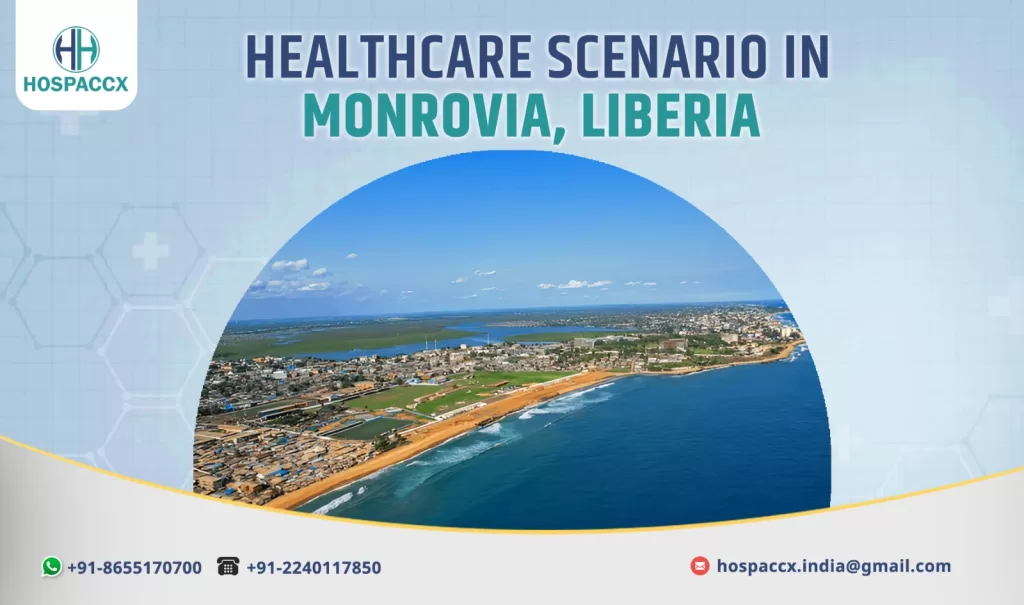
MONROVIA
Introduction
Monrovia, the capital and largest city of Liberia, serves as the nation’s primary economic, political, and healthcare hub. With a rapidly growing urban population, the city faces significant healthcare challenges, including overcrowded hospitals, limited specialized care, and inadequate medical infrastructure. Despite these challenges, efforts have been made to improve healthcare services, with both public and private healthcare providers playing a crucial role in delivering medical care. This blog provides an overview of Monrovia’s healthcare system, key challenges, and the medical facilities available to its residents.
Demographics of Monrovia
| Category | Details |
| Total Population | ~1.5 million (urban area) |
| Population Density | ~3,500 people per square kilometer |
| Literacy Rate | ~63% |
| Life Expectancy | ~64 years |
| Infant Mortality Rate (IMR) | ~50 per 1,000 live births |
| Maternal Mortality Rate (MMR) | ~661 per 100,000 live births |
| Prevalence of Malaria | ~35% of reported illnesses |
| HIV/AIDS Prevalence | ~2.1% of the adult population |
| Access to Clean Water | ~75% of the urban population |
| Major Economic Activities | Trade, government services, informal sector |
Healthcare System Overview in Monrovia
Monrovia’s healthcare system consists of government hospitals, private medical facilities, and NGO-run clinics that provide healthcare services. However, many hospitals and clinics struggle with limited resources, outdated infrastructure, and a shortage of trained healthcare professionals.
- Public Healthcare System
- Government hospitals and clinics provide subsidized healthcare, but they often face overcrowding, inadequate medical supplies, and poor infrastructure.
- John F. Kennedy Medical Center (JFKMC) is the largest government-run hospital, serving as the primary referral hospital in Liberia.
- Community health centers offer basic medical services, focusing on maternal health, malaria treatment, and vaccination programs.
- Private Healthcare System
- Private hospitals and clinics provide better facilities, shorter wait times, and specialized care, but their services are expensive and out of reach for many residents.
- International organizations, including Médecins Sans Frontières (MSF) and USAID, support healthcare initiatives to improve access to medical services.
Key Challenges in Monrovia’s Healthcare System
- Overcrowding in Public Hospitals – Government hospitals, particularly JFK Medical Center, struggle to handle the high number of patients.
- Shortage of Healthcare Professionals – A lack of doctors, nurses, and specialists limits the availability of quality healthcare.
- Limited Access to Specialized Care – Advanced treatments for cancer, cardiology, and neurology are often unavailable, forcing patients to seek care abroad.
- High Cost of Private Healthcare – Many people cannot afford private hospital services, leading to delays in treatment.
- Prevalence of Infectious Diseases – Malaria, tuberculosis, and diarrheal diseases remain significant public health concerns.
- Inadequate Medical Supplies – Many government-run hospitals experience frequent shortages of essential medicines and equipment.
List of Private and Government Hospitals & Diagnostic Centers in Monrovia
| Government Hospital |
| John F. Kennedy Medical Center (JFKMC) |
| Redemption Hospital |
| James N. Davis Jr. Memorial Hospital |
| St. Joseph’s Catholic Hospital |
| Duport Road Health Center |
| Benson Hospital |
| ELWA Hospital (Public Section) |
| Pipeline Community Health Center |
| Clara Town Health Center |
| Bardnersville Health Center |
| Private Hospital |
| ELWA Hospital (Private Section) |
| SOS Children’s Village Health Center |
| Catholic Hospital Monrovia |
| Hope for Women International Hospital |
| Medlink Clinic & Medical Center |
| Benson Hospital (Private Wing) |
| Mercy Health Center |
| Providence Health Center |
| Fidelity Health Services |
| First Responders Health Services |
| Diagnostic Centers |
| African Dream Diagnostic Center |
| Global Diagnostic Services |
| Royal Lab & Diagnostic Center |
| ELWA Diagnostic and Imaging Center |
| Medlink Laboratory & Diagnostic Center |
| Liberia Medical Imaging Center |
| Reliable Diagnostic Services |
| Monrovia Healthcare Laboratory |
| New Era Medical Lab |
| Faith Medical Diagnostics |
Conclusion
Monrovia’s healthcare system is a crucial part of Liberia’s national healthcare structure, providing essential services to millions of residents. While the government, private sector, and international organizations have made significant strides in improving healthcare, critical challenges such as overcrowding, limited resources, and high costs persist. Strengthening the public healthcare sector, increasing investment in medical infrastructure, and improving access to specialized care will be essential for the future of Monrovia’s healthcare system.
Efforts to enhance public-private partnerships, increase international support, and develop the local medical workforce will play a vital role in ensuring that Monrovia’s residents receive the quality healthcare they deserve.