
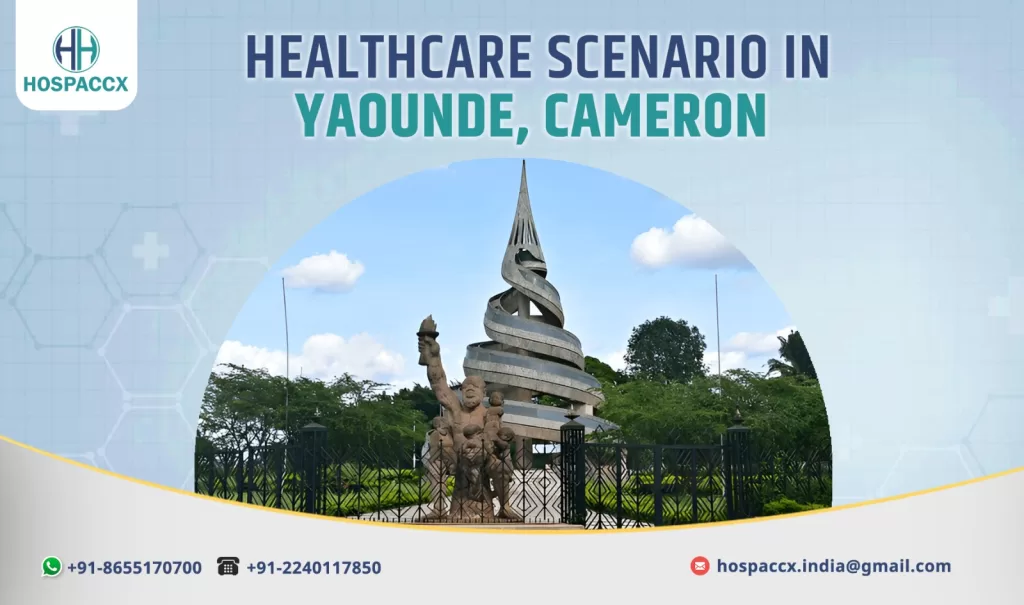
Yaounde
Yaoundé, spread over 7 hills, is the capital city of Cameroon. It is in the southern part of the country. The political capital of Cameroon is a major administrative, educational, and healthcare hub. With a population exceeding 4 million (who.int), the city houses some of the country’s most significant healthcare institutions. However, Yaoundé faces multiple healthcare challenges, including limited infrastructure, shortages of medical professionals, and unequal access to quality healthcare services. Rapid urbanization has further strained medical resources, making efficient healthcare delivery a critical concern for the city.
Disease Burden in Yaounde
Yaoundé faces a significant disease burden, with infectious diseases and non-communicable diseases (NCDs) posing major public health threats. Malaria remains one of the leading causes of morbidity and mortality, with high transmission rates throughout the year. Tuberculosis and HIV/AIDS continue to affect a substantial portion of the population, contributing to the overall healthcare strain. Additionally, the rise of NCDs, including hypertension, diabetes, and cardiovascular diseases, has been linked to urbanization and changing lifestyles. The dual burden of infectious and chronic diseases presents a significant challenge to the city’s healthcare infrastructure.
Major Challenges in Yaoundé’s Healthcare System
- Healthcare Infrastructure Deficiencies: Public hospitals face overcrowding, insufficient medical equipment, and limited funding.
- Shortage of Medical Personnel: The low doctor-to-patient ratio hampers healthcare quality and accessibility.
- High Out-of-Pocket Expenditure: Over 65% of healthcare expenses are covered by individuals, limiting access for low-income populations.
- Unequal Access to Healthcare: While central districts have better facilities, suburban and rural areas lack adequate medical services.
- Prevalence of Infectious Diseases: Malaria, tuberculosis, and HIV/AIDS remain leading health concerns.
- Rising Non-Communicable Diseases: Urbanization has led to an increase in conditions such as diabetes and cardiovascular diseases.
List of Hospitals
| Hospitals | Type | Beds |
| Yaoundé Central Hospital | Public | 650 |
| Yaoundé General Hospital | Public | 400 |
| Yaoundé University Teaching Hospital (CHU) | Public | 300 |
| Jamot Hospital | Public | 250 |
| Biyem-Assi District Hospital | Public | 180 |
| Efoulan District Hospital | Public | 160 |
| Cité Verte District Hospital | Public | 120 |
| Clinique de l’Esperance | Private | 90 |
| Polyclinique Bastos | Private | 85 |
| Centre Médical la Renaissance | Private | 80 |
| Clinique de la Cathédrale | Private | 75 |
| Centre Médical les Cèdres | Private | 70 |
Diagnostic Centres in Yaounde
- Medilab Yaoundé
- BioMedical Center Yaoundé
- Centre d’Imagerie Médicale de Yaoundé
- Medico-Lab Diagnostic Center
- Analabs Diagnostic Services
- Yaoundé Medical Imaging
- Diagnos Clinique
Conclusion
Yaoundé’s healthcare landscape reflects a blend of progress and ongoing challenges. The city hosts several key medical institutions providing essential services to its population and beyond.